Project Timeline
This timeline tracks the key milestones behind Magency, from the first handwritten rules and a summer camp session in 2000, through two decades of publishing, prototyping, and restarts, to the hybrid app era now in your hands.
ERA I — THE ORIGIN
Before there was a rulebook, there was a world. Built across summer camps, kitchen tables, and late nights in Szeged, Nemundir grew from a teenager's notebook into a living system with its own mythology, mechanics, and community of players.
THE FIRST SESSION
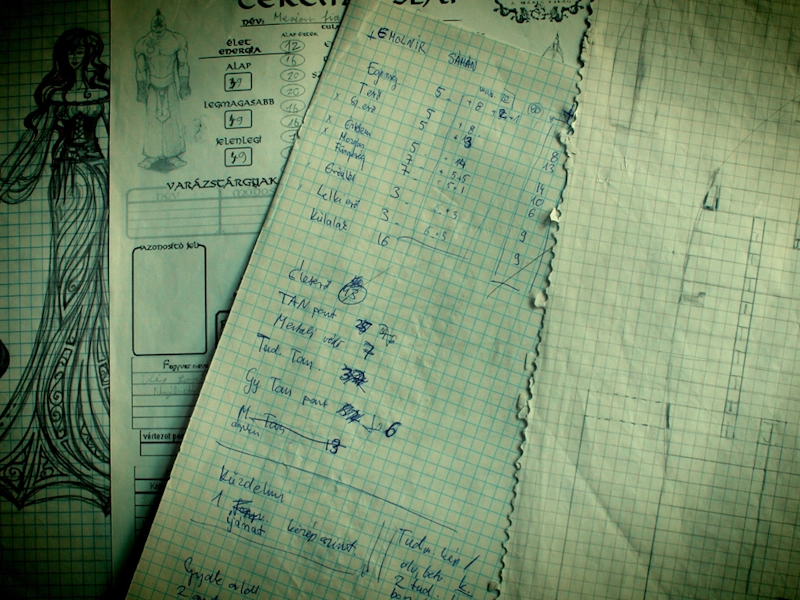
The actual creation of his first world happened during a long car ride to a summer camp, shortly after he discovered role-playing games. Using a squared notebook, he began to document his world, which he eventually called Nemundir. Not long after, the first character sheet took shape — designed in Microsoft Word — and the first city received its name: Antleia. On August 20th, Lambert and three friends spent an afternoon rebuilding the ruleset together, then played through the first proper session that evening.
THE FIRST MAP
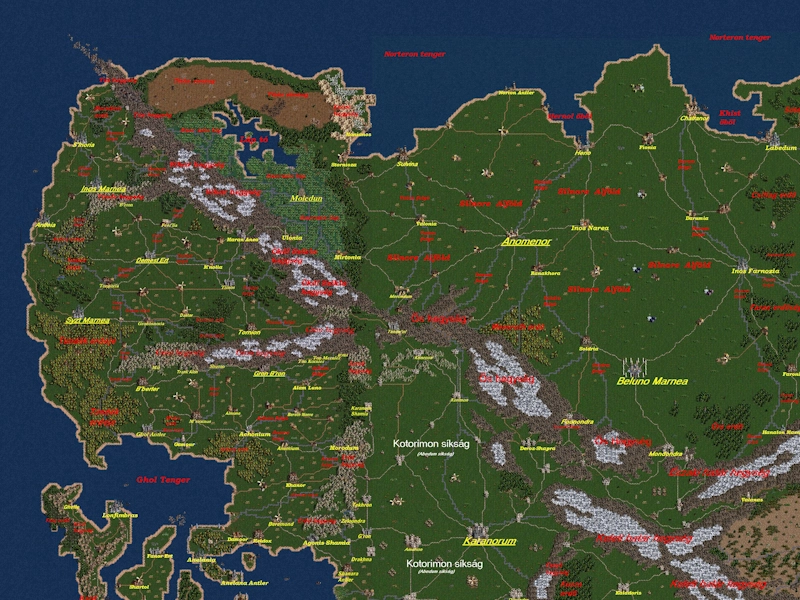
The world's geography came to life that year through an unlikely toolset: individual regions were designed in the Heroes of Might and Magic 3 map editor, then assembled side by side in Microsoft Paint to form the first complete world map. It was rough, creative, and entirely theirs.
THE FIRST TEAM
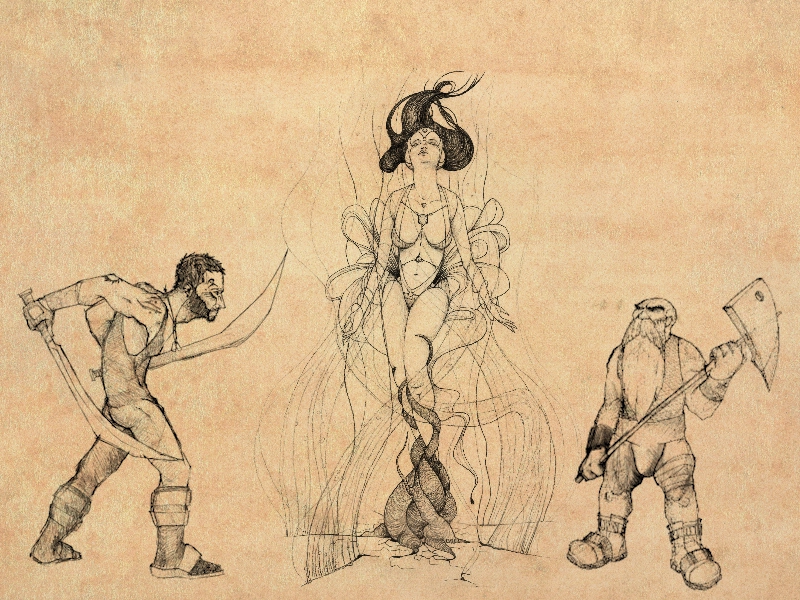
Lambert committed to publishing. The first dedicated illustrators joined: Babarczi Katica as Chief Graphic Designer, followed by Asztalos Tímea, Eszter Tóth and Árpád Cseuz. System v1.03 was completed, and on July 13th the first formal playtesting session was held.
THE FIRST PRINTED TEST BOOKS
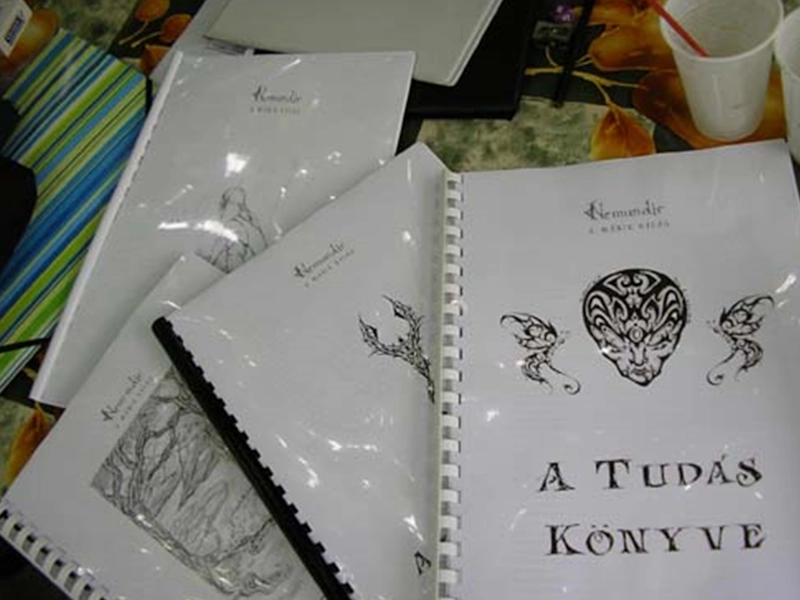
On July 7th, the first print run of the test edition rolled off. The world received its permanent name: Nemundir, the Other World. The project's first public website, nemundir.hu, launched with a forum and a development news feed.
ERA II — FIRST PUBLICATIONS
Two published books. A system unlike anything else on the Hungarian tabletop scene. Nemundir arrived in print with a grim soul and mechanics bold enough to let your character die, return as the undead, and keep playing.
CORE RULEBOOK PUBLISHED
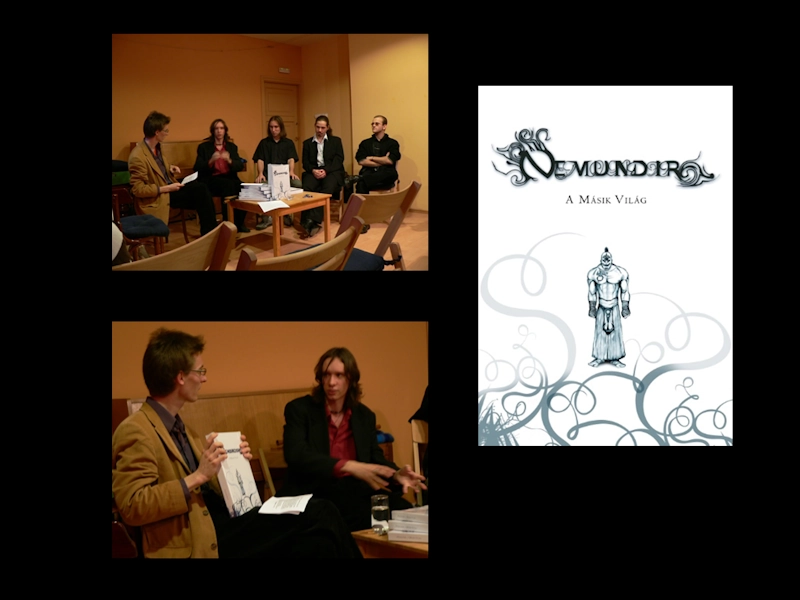
The Nemundir core rulebook was officially published: a d10/d20-based tabletop RPG with freeform skill-tree progression and no rigid class system, set in a modern-fantasy world.
BOOK OF CRYPTS
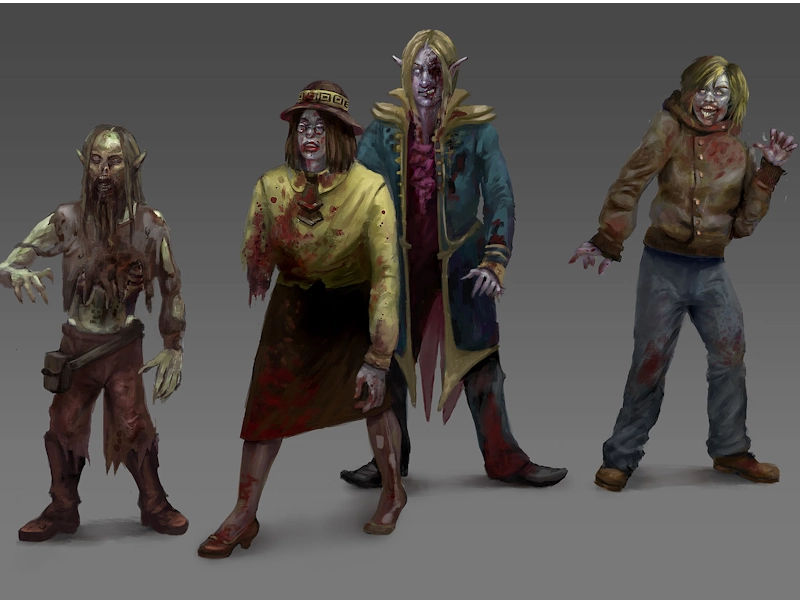
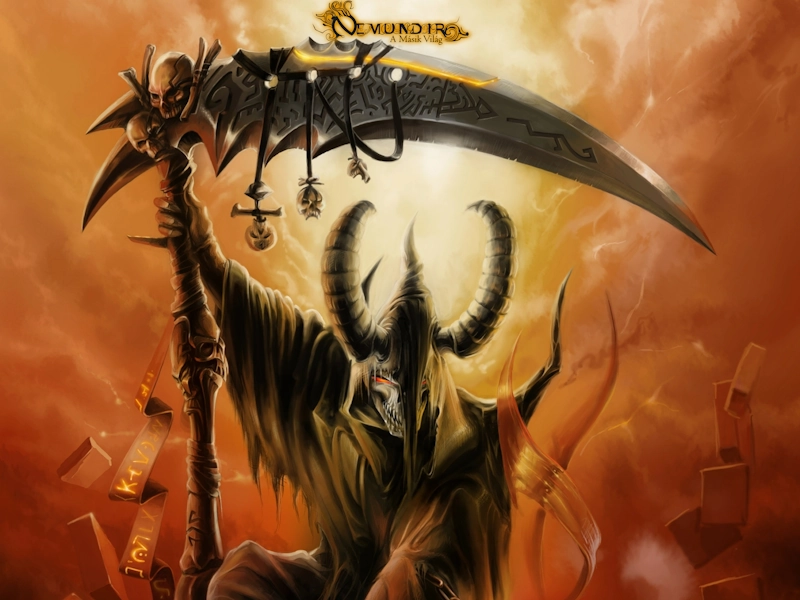
The first expansion introduced one of the system's most distinctive mechanics: a fallen character could return as the undead and continue play. That single idea gave Nemundir its defining grim dark tone, and proved the system was willing to go places others would not.
ERA III — THE HYBRID VISION
A decade of university research, player interviews, and one stubborn question: why does a tabletop player never know everything they can actually do? The answer was not a new rulebook. It was an interface.
ART & DESIGN RENEWAL
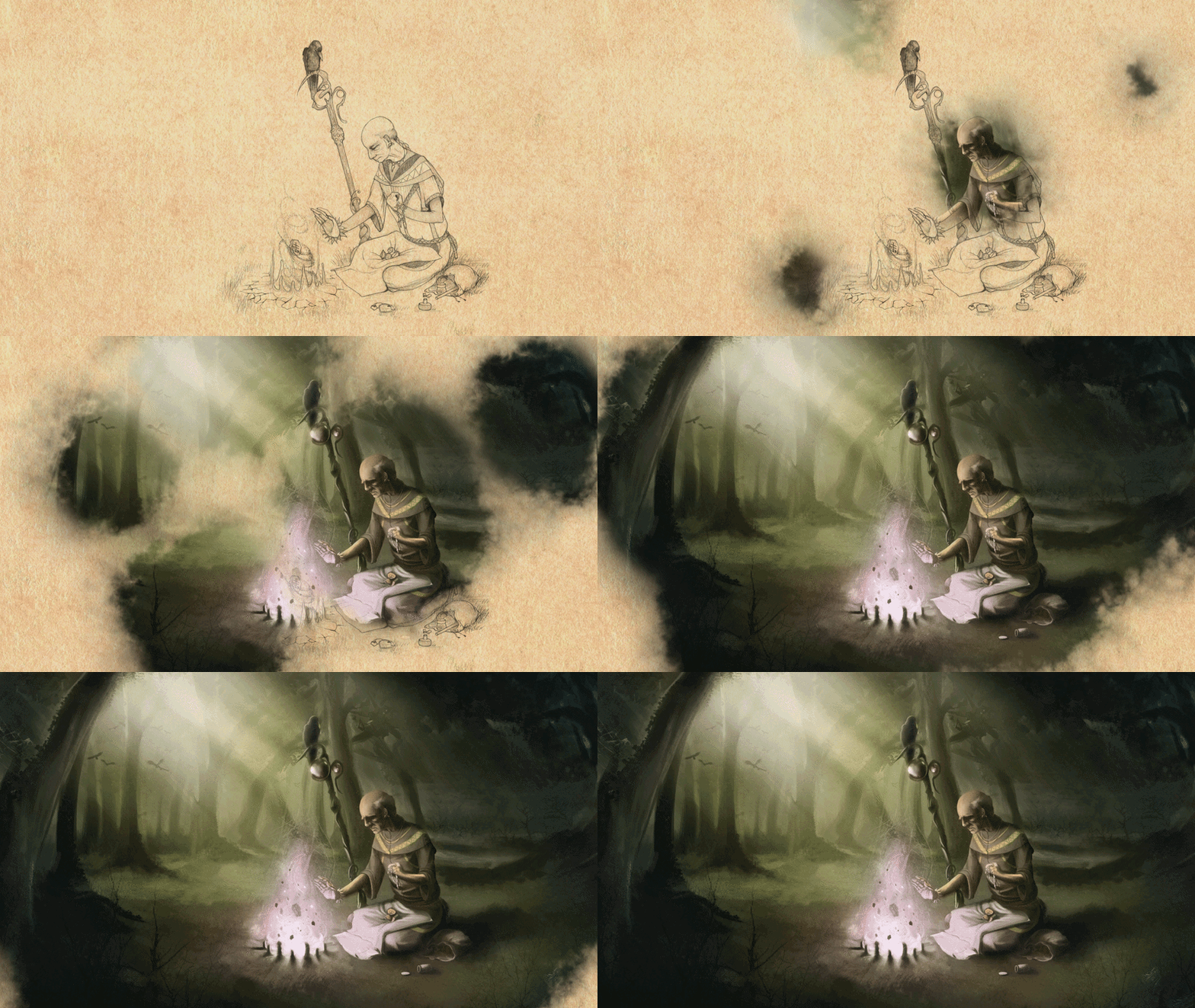
Development of Nemundir 2.0 began, driven by player feedback gathered from both the core rulebook and the Book of Crypts expansion. The rules were ready for a deeper revision — and so was the visual identity. University life brought a new generation of talented artists into Lambert's orbit: Arányi Kriszta, Mihályi Dániel, and Varga Richárd joined the project around this time, each contributing to a significant visual renewal that would shape the look of everything that followed.
GDC — HYBRID TTRPG
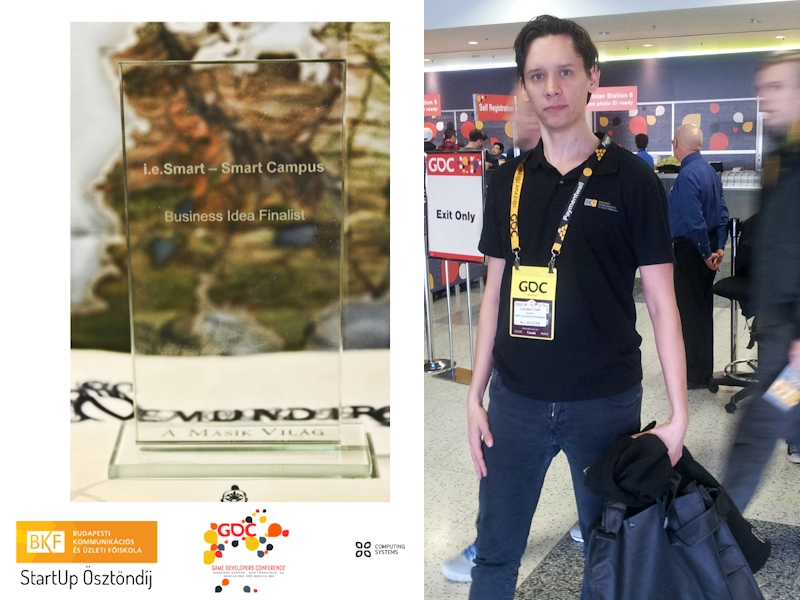
At the Game Developers Conference in San Francisco, the concept of a digital-physical TTRPG companion received its defining name: Hybrid TTRPG. This moment marks the formal beginning of what would become Magency. The project also reached the finalist round of the international i.e. Smart Campus startup competition.
ERA IV — SETBACKS AND RESTARTS
Three restarts. One stubborn designer. Every setback produced a better architecture and a clearer vision of what Magency needed to be.
UNITY DEAD END
Early development with an external partner produced six months of work and a barely functional login screen. They parted ways. The lesson was clear: find a development environment that matches a designer's visual, iterative thinking.
UX RESEARCH BEGINS
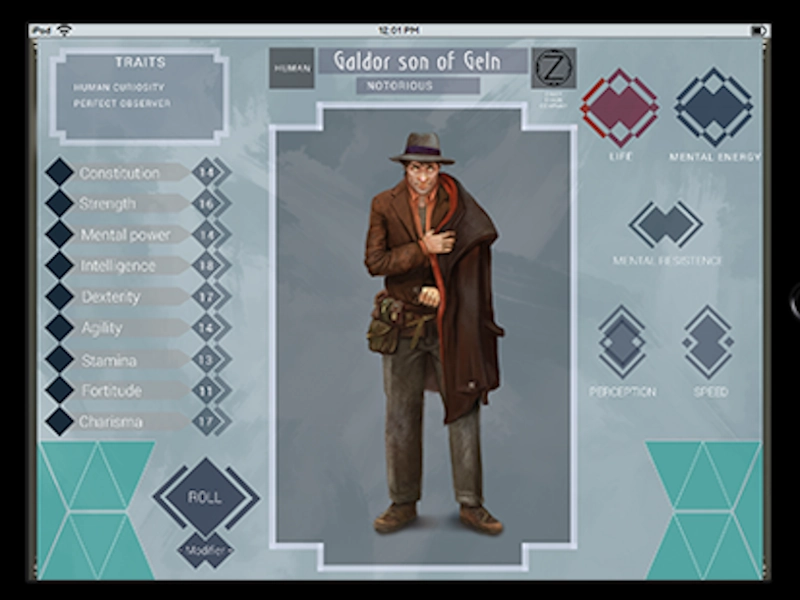
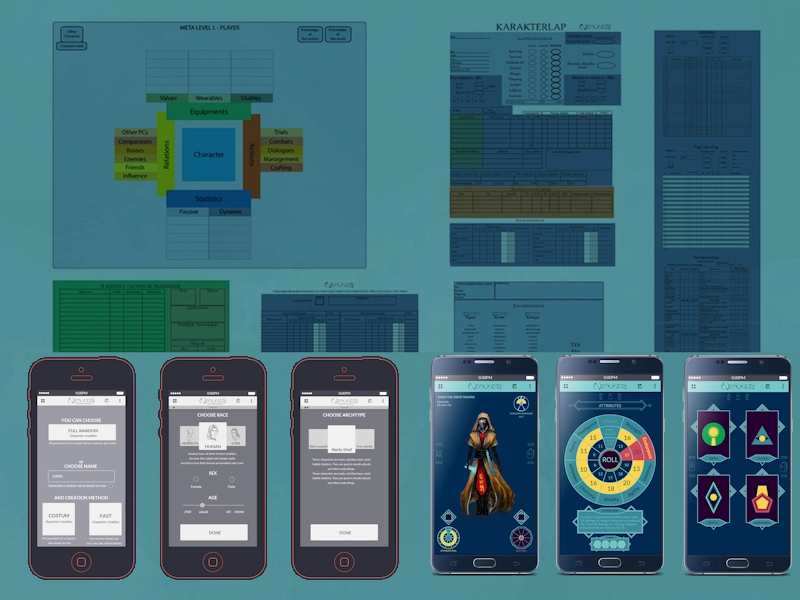
Structured player interviews revealed a consistent problem: traditional character sheets fail to surface the full interaction matrix available to a player. Entire mechanical possibilities go undiscovered simply because there is no UI to reveal them. That gap became the mission.
KITCHEN BUDAPEST
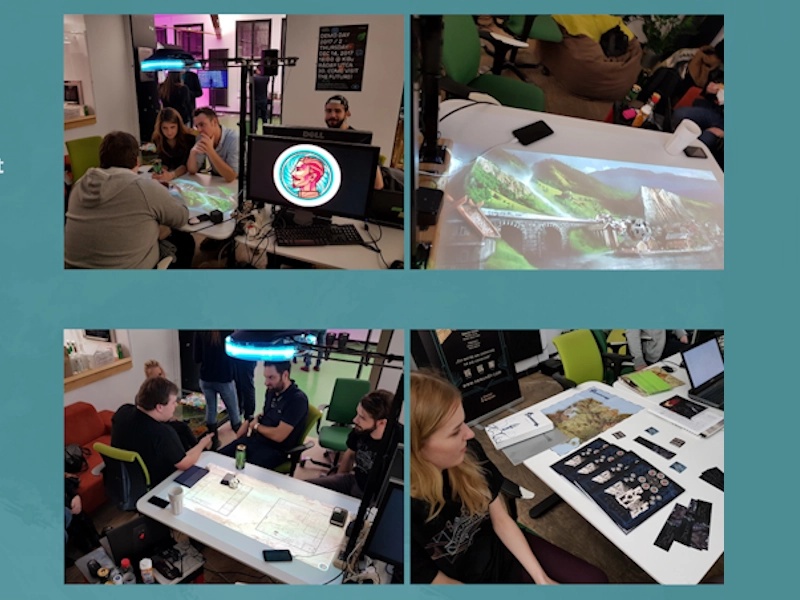
The project was accepted into the Kitchen Budapest Startup Incubator, one of Central Europe's most respected innovation programs. Running on Unreal Engine, the team built the first working prototype with live player-GM connection and in-app 3D character rendering, powered by the GameSparks backend.
GAMESPARKS SHUTDOWN
Amazon acquired GameSparks and few years later shut it down. The entire backend infrastructure was gone. For the third time, the project restarted from zero: local-first architecture, player data stored on-device, no proprietary backend, no single point of failure.
ERA V — THE SYSTEM COMES ALIVE
Years of evenings and weekends. A full-time job at Neocore Games by day, Magency by night. The result is a system that is genuinely, physically hybrid.
PIXELS INTEGRATION
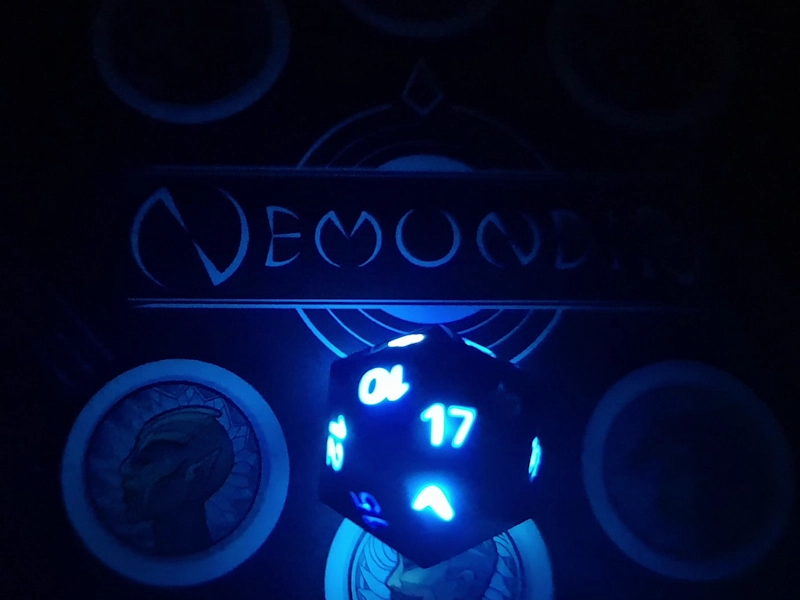
Native Bluetooth dice integration was completed. A player picks up a physical die, rolls it, and the result appears instantly on every connected screen. Physical presence, digital intelligence, connected experience. The original UX constraint became the product's defining feature.
STARTER PHB PUBLISHED
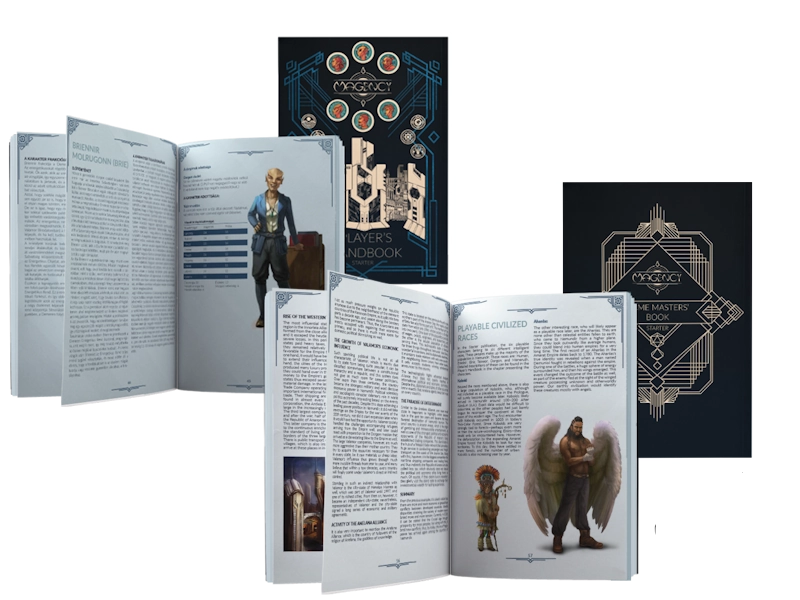
The Magency Starter PHB was published alongside the GM Preview document, making the system distributable for the first time. A complete, playable black-and-white edition with both books included.
CLOSED BETA
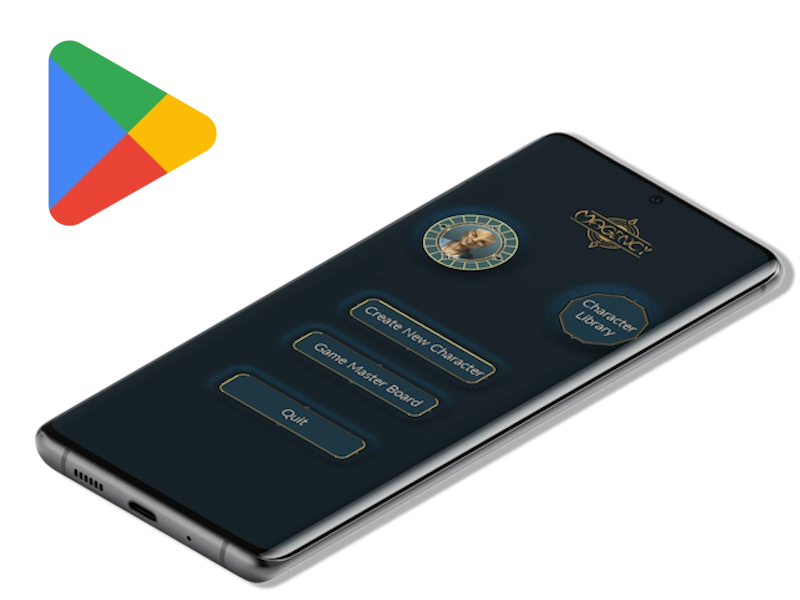
The Magency companion app entered closed beta on Google Play, with Bluetooth dice integration fully live. The web app, also in closed beta at this point, became the primary development focus going forward.
ERA VI — WHAT COMES NEXT
The foundation is built. The system is real. What follows is the story the players will write.
EARLY ACCESS
Magency Starter launches on Android. The hybrid era begins for every table.
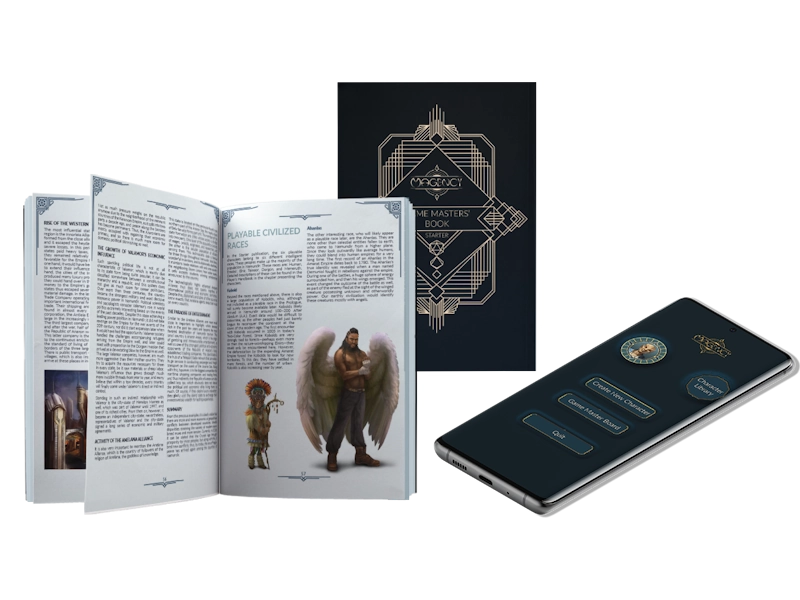
CORE BOOK
Building on the foundation of the 488-page Core Book, new expansions, story modules, and factions will follow, alongside continued development of the app's feature set. This phase also introduces child character generation, a mechanic present in the original 2007 system, finally arriving in its full hybrid form.
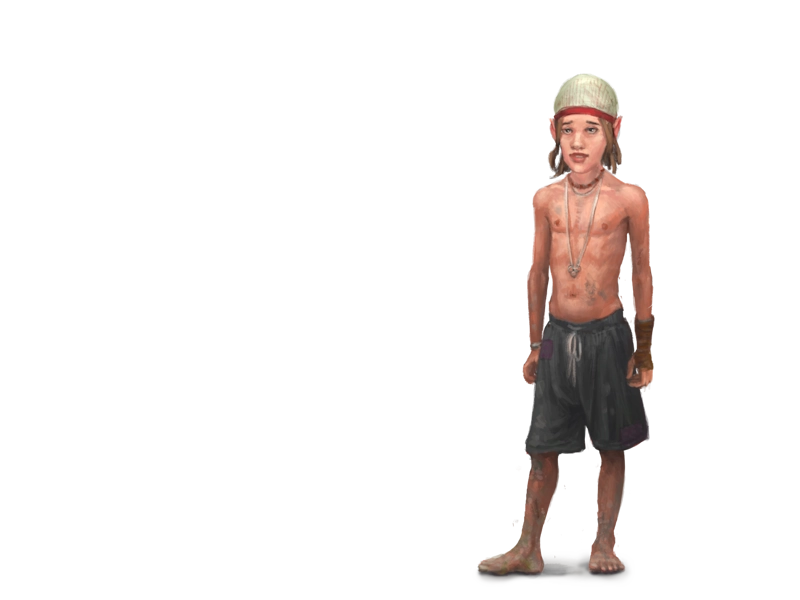
BOOK OF CRYPTS
Seventeen years after the original print edition, the Book of Crypts returns. What form it takes is not yet revealed — but something is coming, and it arrives at Halloween.